Fudgy vs. Cakey: Why Baking Powder Matters in Your Brownies
The world of baking is a delicious dance between science and art, and few treats highlight this more perfectly than the humble brownie. While some bakers swear by a dense, chewy, almost fudge-like square, others yearn for a lighter, more crumbly texture reminiscent of a rich chocolate cake. This great brownie debate – *fudgy vs. cakey* – often boils down to one surprisingly powerful ingredient:
baking powder. Understanding its role is key to unlocking your ideal brownie experience, transforming your kitchen into a controlled laboratory where every ingredient serves a purpose in achieving that perfect bite. Let's delve into the secrets behind crafting your ultimate batch of homemade brownies.
The Eternal Brownie Debate: Fudgy vs. Cakey
Before we get into the nitty-gritty of leaveners, let's define what we mean by these two distinct brownie personalities.
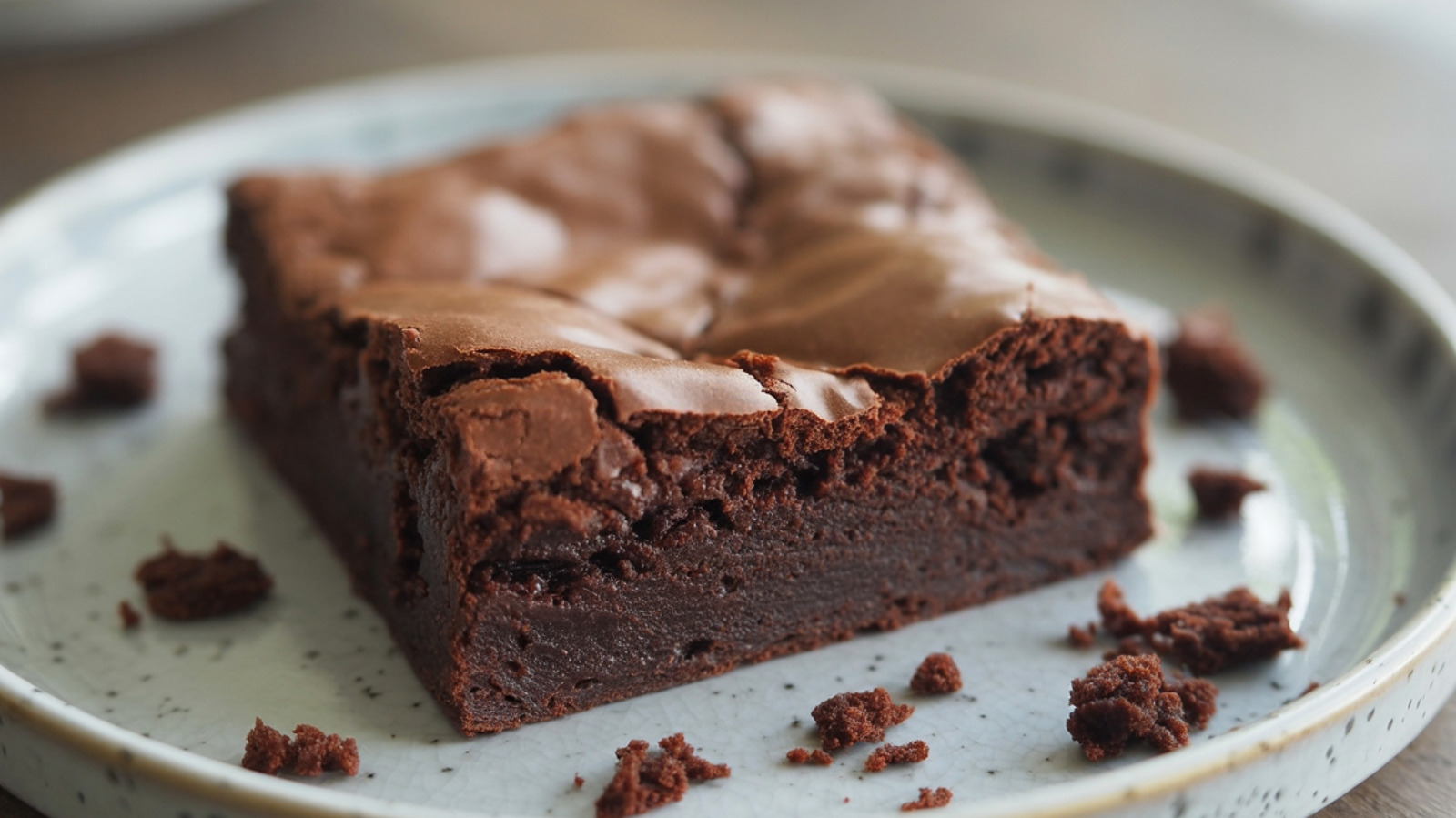
Fudgy Brownies: These are the rock stars of decadence. Think ultra-dense, intensely moist, and so rich they’re almost a step away from pure fudge. They often boast a chewy edge, a delightful chewiness throughout, and that coveted thin, crackly top. A truly fudgy brownie is thick, deeply chocolatey, and melts in your mouth, leaving a satisfyingly gooey sensation. They're often made with a higher fat-to-flour ratio and minimal leavening.
Cakey Brownies: On the other end of the spectrum, cakey brownies offer a lighter, airier texture. They have a softer crumb, similar to a moist chocolate cake, and tend to rise more, creating a less dense profile. While still undeniably delicious and chocolate-packed, their structure is more crumbly and less intensely chewy than their fudgy counterparts.
Ultimately, neither is "better" – it all comes down to personal preference. However, knowing what creates each texture empowers you to bake exactly what you're craving.
The Science Behind the Bake: Enter Baking Powder
At the heart of the fudgy vs. cakey discussion lies the crucial role of baking powder. This unassuming white powder is a chemical leavener, and its primary job is to introduce air and lift into baked goods.
Here's how it works: Baking powder is a mix of an alkaline component (like baking soda), an acid, and a starch. When it comes into contact with liquid and/or heat, a chemical reaction occurs, releasing carbon dioxide gas bubbles. These tiny bubbles get trapped within the batter, causing it to expand and rise.
In brownies, this translates directly to texture:
-
With Baking Powder: When you include baking powder in your brownie recipe, those little gas bubbles lift the batter, creating a more open, aerated crumb. This results in a lighter, softer, and undoubtedly cakier brownie. It’s a deliberate choice for those who prefer a more elevated, cake-like consistency in their chocolate squares.
-
Without (or Minimal) Baking Powder: Conversely, omitting or significantly reducing baking powder means there's less gas production to lift the batter. The result? A denser, more compact structure. Without the leavening agent working to create air pockets, the brownie stays closer to its original thick batter consistency, yielding that desirable, rich, and fudgy texture. Many of the most famous "seriously fudgy" brownie recipes intentionally exclude baking powder for this very reason, aiming for that pure, decadent density.
Understanding this fundamental principle is your first step to mastering brownie baking. It's the difference between a dense, fudgy dream and a fluffy, cakey delight.
Beyond Leaveners: Other Ingredients Shaping Your Brownie Texture
While baking powder is a significant player, it’s not the only ingredient influencing the final texture of your brownies. Baking is a symphony of components, each contributing to the overall harmony. To truly master your
ultimate fudgy brownies or perfectly cakey ones, consider these other critical elements:
-
Flour: All-purpose flour provides the essential structure. A higher proportion of flour relative to fat and liquid tends to yield a cakier brownie, as the gluten develops more structure to hold the rise. Less flour, conversely, contributes to a denser, fudgier result.
-
Fat (Butter): Melted butter is a staple for fudgy brownies, lending incredible moisture and richness. The amount of fat directly impacts the brownie's chewiness and density. Using melted butter rather than creamed butter and sugar (which incorporates more air) also contributes to a denser crumb.
-
Eggs: Eggs are binders and moisteners. They help emulsify the batter and contribute to its structure. More eggs, especially extra yolks, can lead to a richer, chewier, and sometimes more fudgy brownie. Egg whites, on the other hand, can contribute to more lift and a slightly cakier texture.
-
Sugar: Beyond sweetness, sugar plays a vital role in texture. It attracts and retains moisture, keeping brownies soft and preventing them from drying out. Properly dissolved sugar can also migrate to the top during baking, helping to create that desirable crackly crust.
-
Cocoa Powder and Chocolate: Of course, you need chocolate! The type and quantity of chocolate (cocoa powder, melted chocolate, chocolate chips) profoundly affect the depth of flavor and the density. A triple dose of chocolate—like cocoa powder, melted unsweetened chocolate, and chocolate chips—will create an incredibly rich and dense brownie, pushing it closer to that pure fudge consistency.
-
Salt and Vanilla: While not directly impacting texture, salt enhances all the other flavors, making the chocolate taste even more pronounced. Vanilla extract similarly deepens and rounds out the chocolate profile.
The careful balance and ratios of these ingredients, alongside your choice of leavener, are what truly define the character of your brownies.
Crafting Your Ideal Brownie: Tips for Texture Control
Now that you understand the mechanics, let's put it into practice. Whether you crave the dense chew of a fudgy brownie or the tender crumb of a cakey one, you can control the outcome with a few smart baking strategies.
For Fudgy Brownies:
-
Mind the Leavener: Most crucially, minimize or completely omit baking powder (and baking soda). This is the number one secret to achieving maximum density.
-
Use Melted Butter: Start with melted butter. Creaming butter and sugar incorporates air, which is good for cakes but detrimental to fudgy brownies.
-
High Fat-to-Flour Ratio: Recipes aiming for fudginess often have a higher proportion of fat and sugar compared to flour. This reduces gluten development and increases moisture.
-
Don't Overbake: This is paramount! Overbaking is the quickest way to dry out your brownies and turn them cakey or even crumbly. Remove them from the oven when a toothpick inserted near the center comes out with moist crumbs, not wet batter, and certainly not clean. The residual heat will continue to cook them as they cool.
-
Choose the Right Pan: A smaller pan (like a 9x9 inch square instead of a 9x13 inch) will result in thicker brownies, which are inherently more prone to being fudgy and rich.
-
Cool Completely: Resist the urge to cut into warm brownies. They need time to set and fully develop their dense, fudgy texture. For more expert tips, explore our guide on Bake The Ultimate Fudgy Brownies: Secrets For Decadent Texture.
For Cakey Brownies:
-
Include Baking Powder: Follow recipes that specifically call for baking powder or baking soda. These will provide the necessary lift for a lighter crumb.
-
Cream Butter and Sugar: If the recipe instructs, cream butter and sugar together until light and fluffy. This incorporates air, which contributes to the cakey texture.
-
Balanced Ratios: Cakey brownie recipes often have a more balanced ratio of flour to fat and sugar, leaning slightly more towards flour to build structure.
-
Bake Until Done: Bake until a toothpick comes out mostly clean, with perhaps a few moist crumbs clinging to it. You want them cooked through but not dried out.
General Brownie Baking Tips:
-
Measure Accurately: Baking is a precise science. Use a kitchen scale for the most accurate measurements, especially for flour.
-
Don't Overmix: Overmixing develops gluten in the flour, which can lead to tough brownies. Mix until just combined.
-
Pantry Staples are Your Friend: Many delicious brownie recipes, whether fudgy or cakey, rely on basic kitchen ingredients like sugar, flour, butter, eggs, and cocoa powder. For those times you need a quick fix, check out our insights on Quick & Easy Brownies: Satisfy Cravings with Pantry Ingredients.
-
Storage: Store brownies in an airtight container at room temperature for 3-4 days, or refrigerate for up to a week. They also freeze beautifully for up to three months!
Conclusion
The debate between fudgy and cakey brownies is a delightful one, highlighting the incredible versatility of this beloved chocolate treat. By understanding the pivotal role of baking powder as a leavener, alongside the nuanced contributions of other ingredients like flour, fat, and eggs, you gain the power to tailor your brownies precisely to your preference. Embrace your inner "butter-loving scientist" and don't be afraid to experiment with ratios and techniques. Whether you yearn for the dense, chocolate-rich chew of a fudgy square or the light, airy crumb of a cakey delight, the perfect batch of homemade brownies is within your reach. Happy baking!